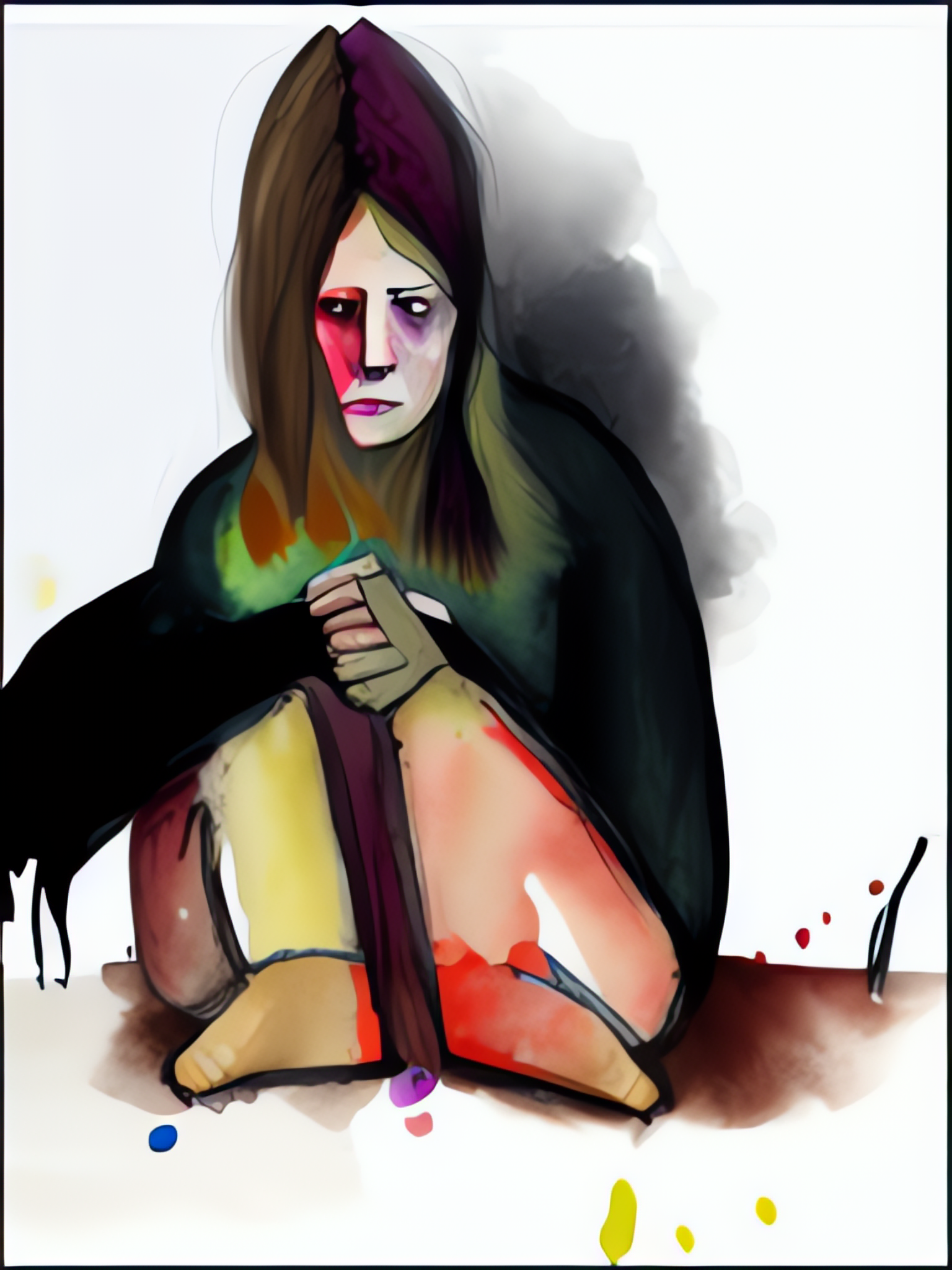
A logical examination of anti-Semitism, the October 7th massacre, and the historical myths weaponized against Israel. Inspired by Wittgenstein's rigorous structure, this book confronts the distortions that fuel modern hatred.
A critical examination of the historical, political, and moral foundations of modern anti-Semitism narratives and their implications for contemporary discourse.
Oil and watercolor paintings documenting the trauma and resilience of the Israeli people.
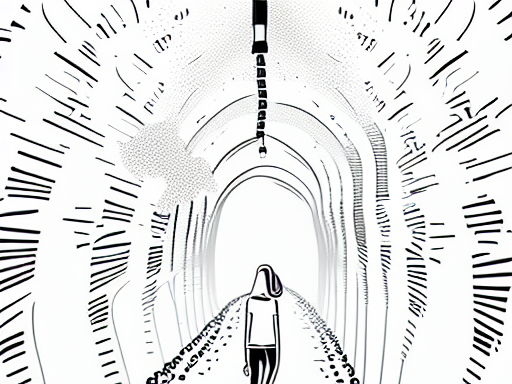
"Thou hast laid me in the lowest pit, in darkness, in the deeps." — Psalm 88:6
This painting confronts the tunnels as crime scenes: concrete corridors engineered to hide kidnappings, rape, torture, and execution. Hostages were dragged below ground, bound with zip ties and cables, stripped of dignity and sleep, moved as human shields through choke points and blast doors. The image is an indictment and a demand—bring the captives home and dismantle the machinery that made this possible.
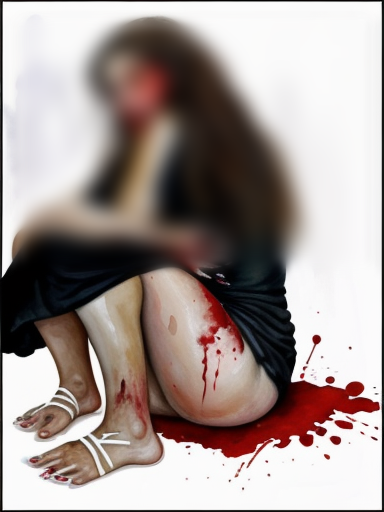
"You have kept count of my tossings; put my tears in your bottle." — Psalm 56:8
This work bears witness to a systematic campaign of terror and sexual violence unleashed against Israeli civilians—women and men—targeted in their homes, communities, and places of gathering. It confronts the deliberate effort to dehumanize, desecrate, and destroy, transforming horror into testimony that demands remembrance, justice, and moral clarity.
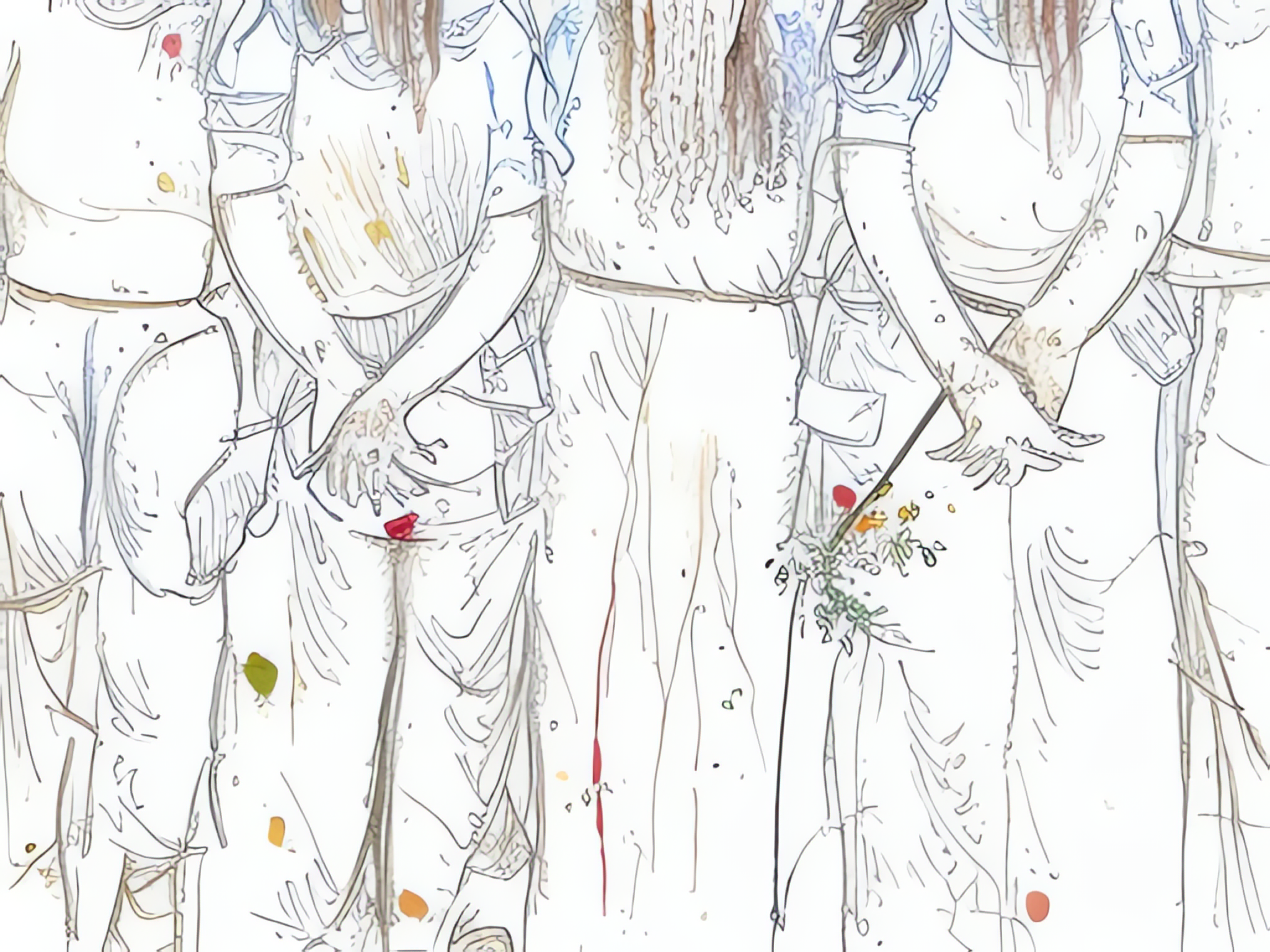
"To hear the groans of the prisoners, to set free those who were doomed to die." — Psalm 102:20
The scene is not symbolic; it is forensic. Bodies bound at the wrists and ankles with plastic ties and wire, clothes torn and darkened where blood ran; faces forced down while assailants filmed and jeered. Many were assaulted, raped, and then shot or butchered—sometimes in front of partners, relatives, or friends to maximize humiliation. The image insists that we look, name the perpetrators, and demand justice.
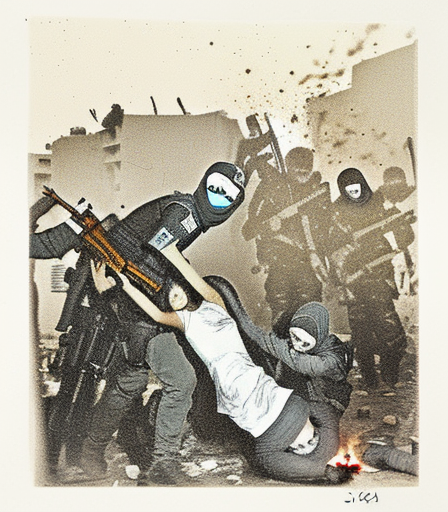
"The voice of your brother's blood is crying to me from the ground." — Genesis 4:10
Civilians were hunted, shot, burned, and mutilated on October 7. Bodies were left where music had played; tents and cars became kill-zones; belongings lay scattered between shell casings and char. The image is a record and an accusation: these were deliberate crimes against unarmed people, carried out in public, filmed and celebrated by the perpetrators. Remember their names and demand justice.
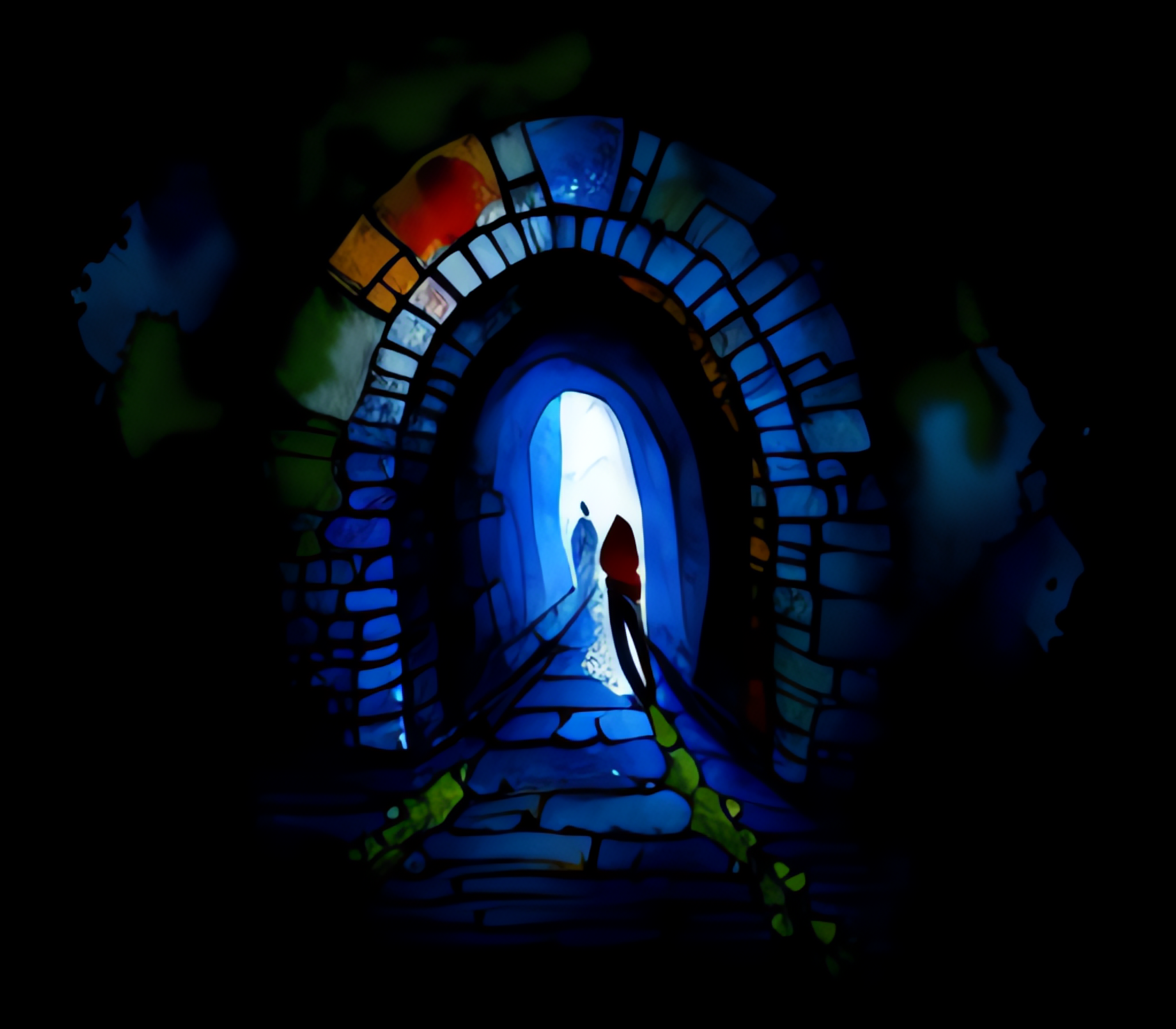
"Out of the depths have I cried unto thee, O Lord." — Psalm 130:1
This work bears witness to hostages held in Gaza's tunnels—women and men who, as days turned to months, lost any hope of seeing the light again. The small glow at the end of the passage is no rescue but a mirage that withdraws as one moves; air thins, time is counted in breaths and footfalls, and the mind dims to blunt pain.
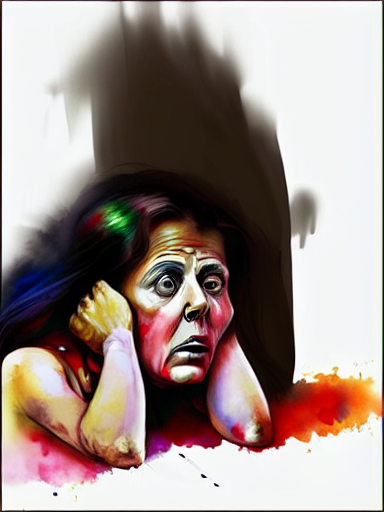
"The adversary has stretched out his hand over all her precious things." — Lamentations 1:10
Doors were blown and kicked in, rooms set alight, families dragged from beds and safe rooms. Blood marks where victims were bound, beaten, raped, and shot; scorch and smoke record arson used to flush and destroy. This painting refuses euphemism: ligature lines at wrists and ankles, fabric ripped at the seams, the small domestic objects left where terror halted hands—a child's cup, a prayer book, a phone on the tiles.
A sample from the podcast discussing the themes of Tractatus Historicus.
The book employs rigorous logical structure to examine the historical distortions, propaganda, and ideological hatred that have shaped perceptions of Hamas and Israel.
From Norwich 1144 to modern propaganda, tracing how medieval accusations persist in contemporary anti-Israel rhetoric.
Examining the ideological foundations of Hamas violence and the October 7th massacre that killed 1,200 Israelis.
The role of international organizations in perpetuating anti-Israel sentiment and shielding terrorism under humanitarianism.
Jewish connection to the land predates Arab conquest, documented through biblical, archaeological, and historical evidence.
Following Wittgenstein's Tractatus, propositions are numbered and interconnected to build rigorous arguments.
Documenting the systematic sexual violence used as a weapon during the October 7th attacks, based on UN reports.
England 1290, France 1394, Spain 1492 - the pattern of targeting Jewish communities economically and politically.
Drawing on Augustine, Arendt, and biblical ethics to establish frameworks for justice and moral reckoning.
The October 7th massacre was not an isolated aberration but the culmination of decades of hostility toward the Jewish state. At the Nova Festival, what began as a celebration of life turned into a nightmare. Hamas attacked with deliberate cruelty, targeting families with executions, assaults, and horrors beyond words.
In the heart of our shared world, where stories shape how we see each other, I've been reflecting on the narratives around Palestine and Israel. These tales often deepen divisions, hiding truth beneath layers of myth. Inspired by Wittgenstein's clear logic, I want to confront these stories with honesty, asking what they mean for us all.
The morning of October 7, 2023, changed everything. At the Nova Festival, what began as a celebration of life turned into a nightmare. Hamas attacked with deliberate cruelty, targeting families with executions, assaults, and horrors beyond words. The fields, once filled with music, carried screams and loss, driven by hatred for Israel and the West.
I've listened to survivors' stories, their voices raw with pain, and I keep asking: How do we face the beliefs behind such acts? Isn't it our shared duty to seek answers? These events echo a long history of violence against Jewish communities. To understand October 7, we must look back, not as distant tales, but as living warnings. Falsehoods - blood libels, economic blame, religious zeal - have fueled harm for centuries, and they persist today.
The land we call Palestine holds a deep connection to the Jewish people, rooted in history and faith. As Joshua 1:3 says, "I will give you every place where you set your foot, as I promised Moses." This promise, alongside centuries of settlement, ties the land to Israel. Names like Palestine came later, but they don't erase this bond, one that's historical, cultural, and spiritual, as Amos 9:14 reminds us: "I will restore the fortunes of my people Israel, and they shall rebuild the ruined cities and inhabit them."
These events, crossing centuries, show how anti-Semitism clings to falsehoods, from medieval blood libels to Hamas's actions on October 7, with its executions, assaults, and mutilations, echoing Norwich, Fulda, Trent, and Odessa. I've sat with Jewish texts, from the Talmud to Maimonides, and survivor accounts, feeling the weight of this history. Don't these stories call us to break this cycle?
The October 7 attacks had allies who looked away, silence from global voices, and groups like UNRWA mixing aid with anti-Israel messages, as seen in reports (UN Watch, 2024). Some international bodies shield violence, often ignoring harm to Jews, a pattern echoed in historical silence, like during the Black Death massacres.
Anti-Semitism grows from the Palestinian-Israeli conflict turning to fanaticism, migrations to Europe, shifts after the Cold War, uneven economic growth, and blame on the West and Israel as scapegoats, as Cohn notes in Warrant for Genocide (1967). Hatred often masks itself as justice, as it did from Alexandria to Aleppo.
Blood libels, starting in Norwich in 1144, spread to Fulda in 1235, Lincoln in 1255, and Trent in 1475, echo in some modern rhetoric, as Langmuir observes in Toward a Definition of Antisemitism (1990). The BDS movement recalls expulsions in England in 1290, France in 1394, and Spain in 1492, targeting Jewish communities economically.
Hamas's assaults on October 7, detailed in the UN's Sexual Violence Report (2024), used terror rooted in prejudice. Palestinian identity often stems from opposition to Zionism, blending geography with politics, not just ancient roots, as Khalidi argues in Palestinian Identity (1997).
Philosophy, as a search for truth, struggles with such acts. As Psalm 36:4 warns, "They devised iniquity; they practiced deception in their hearts." Reason seeks order, but violence like October 7 defies it, negating humanity itself, as Genesis 4:10 cries, "The blood of the innocent cries out from the ground."
Exodus 20:13 commands, "You shall not murder," yet systematic terror - murder, mutilation, humiliation - rejects this, turning people into tools of fear. No system of reason, not Aristotle's logic nor Cicero's urgency, can fully grasp this. Philosophy examines morality, but morality needs humanity to function, and such acts destroy that ground.
Many Palestinian claims lean on political strategy and bias, not always historical fact. Palestinian aspirations are real and human, yet we must untangle them from distortions used against Israel. As Augustine wrote in City of God, justice matters more than power. How do we find truth amid these layers? What principles guide fairness in a conflict driven by hate? Can peace grow if we don't face these myths?
October 7, like the horrors of Norwich or Lisbon, is a moral test. It demands accountability and justice, not silence, which history shows enables harm. Psalm 85:11 offers hope: "Truth will spring out of the earth, and justice will look down from heaven."
Justice acknowledges suffering, restores moral order, and lets reason begin again. With evidence, heart, and the resolve of thinkers like Arendt in The Origins of Totalitarianism (1951), let's reject these lies and build a path forward together.
Shlomo Kashani, Tel Aviv, 2025
AI scientist, contemporary artist, and cultural scholar.
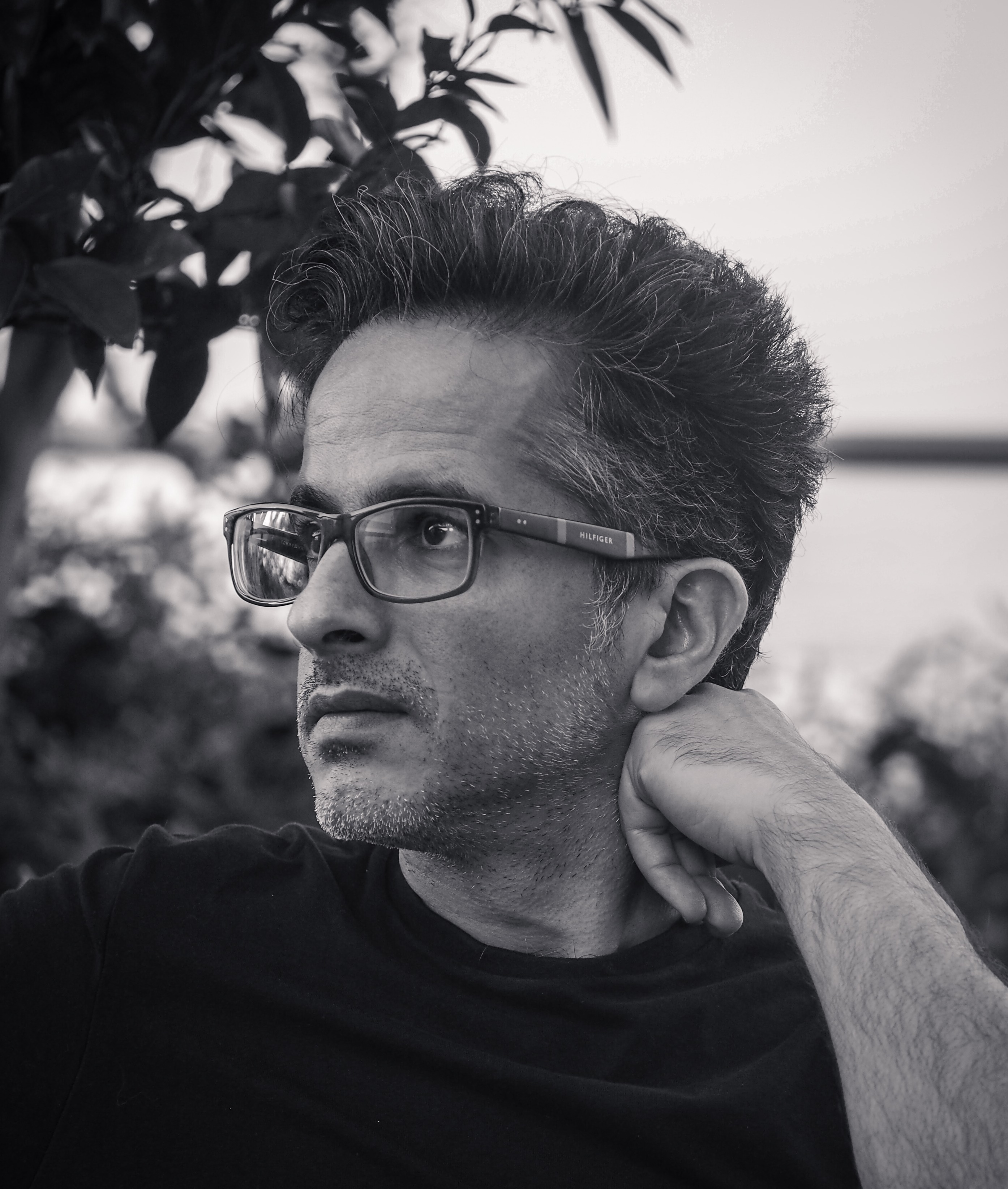
Tractatus Historicus combines meticulous research with a structured philosophical approach inspired by Wittgenstein.
Premium quality hardcover with archival paper and museum-grade reproductions of watercolor illustrations.
Available in ePub and PDF formats with fully searchable text and high-resolution artwork.
Published in English and German, reflecting the Wittgensteinian tradition and European intellectual heritage.
Includes "The Faces of October" series - haunting watercolor portraits of Israeli hostages.
Fully sourced with academic references from Langmuir, Khalidi, Cohn, Arendt, and UN reports.
Audio discussions exploring the book's themes, available on major podcast platforms.
Join the mailing list to be notified when the book is available. Expected publication 2026.